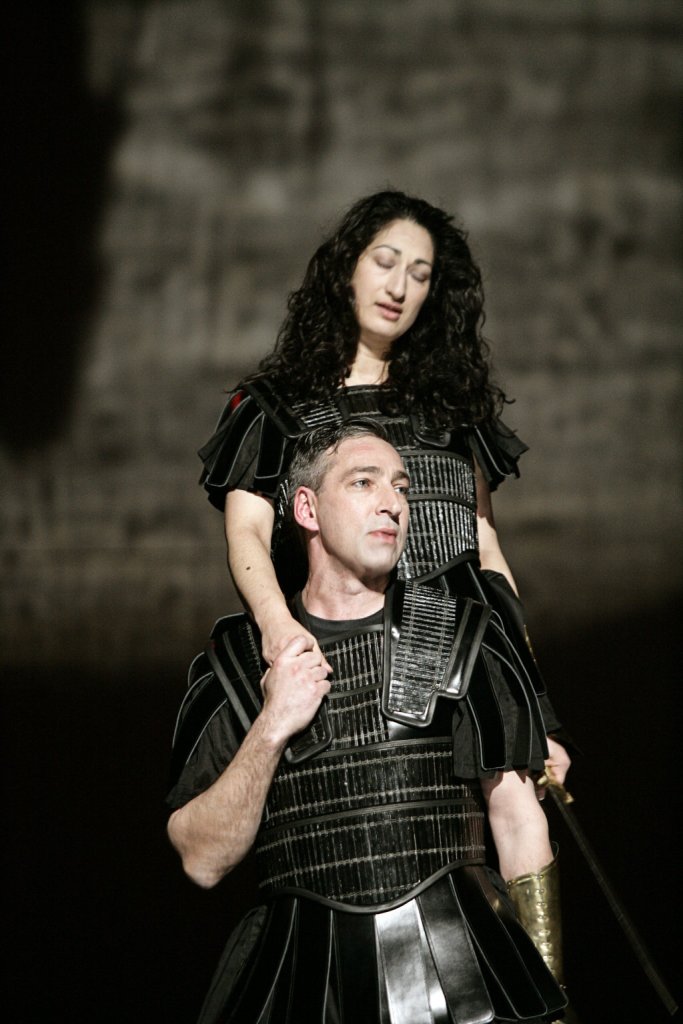
Theseus
Duke of Athens
As the duke of Athens, Theseus is the play’s central patriarchal figure. The audience gets a glimpse of Theseus’s patriarchal nature in the very first lines of the play, where he compares his forthcoming marriage to Hippolyta to a long-awaited inheritance. The comparison Theseus makes between marriage and wealth reveals his ideas about the value and meaning of love. Hippolyta is an Amazonian queen whom Theseus abducted during a battle and brought back to Athens like a trophy. Theseus’s patriarchal attitude is also partly responsible for setting the events of the play in motion. In the opening act of the play he presides over the dispute between Egeus and Hermia, and his overbearing attempt to get Hermia to obey her father’s command causes Hermia to flee Athens altogether. Theseus doesn’t change much over the course of the play. When Hippolyta points out that the lovers have told a consistent (if strange) story about their night in the forest, Theseus adamantly refuses to believe the lovers. By play’s end Theseus’ patriarchal attitude seems less problematic. After all, the quarrel between the lovers has worked itself out—though no thanks to him. (https://www.sparknotes.com/shakespeare/msnd/character/theseus/)
Questions
- What do you think Shakespeare is trying to do by having the Greek hero Theseus as his ruler? What does this tell us about Shakespeare?
- What does Theseus’ presence tell us about the setting? Do you think this is important to understanding the play? Why or why not?
- What do you know about the Theseus from Greek mythology? Does Theseus’ mythology affect the events of the play?
- Do you think Theseus is an effective leader/ruler? Why or why not? Use evidence from the text to support your thinking.
Choose two of the above questions, and answer them in the space below.


 A Midsummer Night's Dream: Online Learning